

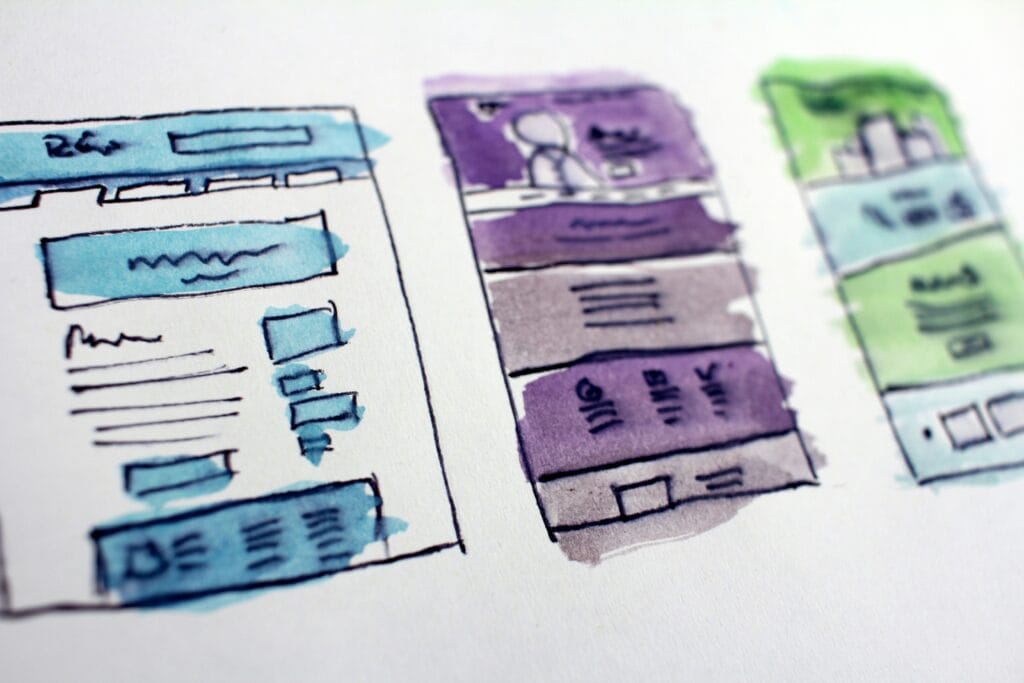
Ever wondered why some websites seem to effortlessly climb search rankings while others languish? Often, it boils down to how they’re built, not just what they say. Website structure plays a surprisingly significant role in your SEO success. In short, a well-structured website helps search engines understand your content better, leading to improved visibility and rankings. Think of it like organizing a library – a well-organized one makes it easy to find books, while a messy one is a nightmare. Search engines view your website in a similar light.
Why Structure Matters to Search Engines
Search engines, particularly Google, are constantly trying to provide the best possible answers to user queries. To do this, they need to understand what your website is about, what topics you cover, and how different pieces of your content relate to each other. A good website structure is like a clear roadmap for search engine crawlers. Without it, they might miss important pages or misinterpret the main focus of your site. This understanding has only grown more critical, as evidenced by Google’s March 2026 Core Update, which heavily favors sites with strong structure, topic clusters, and robust internal linking. We’ve seen real-world examples of this, like HVAC sites experiencing 3x keyword growth and roofing companies generating $2.2M in SEO leads, all driven by structural improvements.
Enhancing Crawlability and Indexing
One of the most fundamental benefits of a well-structured website is how it streamlines the crawling and indexing process for search engines.
Understanding Crawlability
When a search engine bot, or “crawler,” visits your website, it’s essentially trying to read and understand all your content. A clear, logical structure makes this job much easier. Imagine a physical map with clear roads leading to different towns and landmarks. That’s what a good website structure provides for crawlers. If your site is a tangled mess of unconnected pages, crawlers might get lost or simply overlook important sections. The less effort a crawler has to expend to understand your site, the more efficiently it can process your content.
Improving Indexing Efficiency
Once a page is crawled, it needs to be “indexed.” This means the search engine adds it to its vast database, making it eligible to appear in search results. A well-structured site helps with indexing in several ways:
- Prioritization: A clear hierarchy, like a pyramid-style or silo architecture, helps search engines understand which pages are most important. This can ensure that your most valuable content is indexed quickly and given appropriate weight.
- Reduced Redundancy: Good structure minimizes duplicate content issues by clearly differentiating pages, preventing crawlers from wasting resources on redundant information.
- Faster Updates: When you update content on a well-structured site, search engines can often re-crawl and re-index those updated pages more quickly due to the clear pathways established.
In 2026, the success of your SEO efforts hinges heavily on a structured architecture that supports efficient crawling and indexing. Sites with well-defined internal linking strategies, for instance, are outperforming those with fragmented approaches. This is especially important for new websites, where prioritizing a pyramid-style or silo architecture from the outset, complete with breadcrumbs for user navigation, is highly recommended for optimal crawling and indexing.
Building Topical Authority and Semantic Relationships
Beyond just finding your pages, search engines also want to understand the topic of your website and how different topics relate to each other. This is where topical authority and semantic relationships come into play.
Establishing Topical Authority
Topical authority means that your website is recognized as a definitive source of information on a particular subject. Imagine you’re writing about “sustainable gardening.” If your website has a clear category for “Composting,” and within that, subcategories for “Compost Bins,” “Compost Ingredients,” and “Compost Troubleshooting,” then Google sees that you’ve covered the topic thoroughly. Each page supports the others, building a comprehensive resource. This depth of coverage, organized logically, signals to search engines that you are an expert in sustainable gardening.
Leveraging Topic Clusters
Topic clusters are a prime example of putting topical authority into practice. Instead of having many individual, loosely related blog posts, you create a central “pillar page” that covers a broad topic comprehensively. Then, you link to several “cluster content” pages that delve into specific subtopics in more detail. For instance, a pillar page on “Digital Marketing” might link to cluster pages on “SEO Best Practices,” “Content Marketing Strategies,” and “Social Media Advertising.” This internal linking strategy within the cluster tells search engines that all these pages are related and that your pillar page is the authoritative hub for the overarching topic. This approach creates strong semantic relationships, helping search engines understand the nuances of your content.
The Power of Internal Linking
Internal links are the hyperlinks that connect different pages within your own website. They are absolutely crucial for building topical authority and semantic relationships.
- Distributing Link Equity: When one of your pages gets a backlink from an external website, some of that “link equity” or “SEO juice” can be passed on to other pages on your site through internal links. This helps boost the authority of linked pages.
- Signaling Relevance: Using descriptive and relevant anchor text for your internal links (e.g., “learn about content marketing strategies” instead of “click here”) helps search engines understand the topic of the linked page.
- Creating Pathways: Internal links guide both users and search engine crawlers through your content, reinforcing topic clusters and demonstrating the depth of your site’s information.
In 2026, structuring your architecture for topical authority and semantic relationships is non-negotiable for SEO success. Fragmented sites are simply losing out to those that leverage internal linking tools to build these crucial connections. The clearer your hierarchy, the better search engines can understand page relationships, boost indexing, improve user experience, and gauge your topical depth through effective content clusters.
Improving User Experience (UX)
While SEO is often associated with search engine bots, a happy user is a happy Google. A well-structured website significantly enhances the user experience, which in turn positively impacts your SEO.
Intuitive Navigation
Imagine landing on a website and immediately knowing where to find what you’re looking for. That’s intuitive navigation. Good website structure provides this through clear menus, logical categories, and consistent pathways. Users shouldn’t have to guess or click around aimlessly. This ease of use encourages them to explore more pages on your site.
Reducing Bounce Rate
If users find your site confusing or difficult to navigate, they’re likely to leave quickly – this is known as a “bounce.” A high bounce rate signals to search engines that your site might not be providing a good user experience or relevant content. A well-structured site, however, keeps users engaged and moving from one piece of content to another, lowering your bounce rate.
Enhancing Time on Site
Just as important as reducing bounce rate is increasing the “time on site.” When users find your website easy to navigate and discover relevant content, they tend to spend more time exploring. This sends a strong signal to search engines that your content is valuable and engaging. Clear internal links encourage users to delve deeper into related topics, further increasing their time spent on your site.
Breadcrumbs: A User’s Best Friend
Breadcrumbs are those small navigational aids, often found at the top of a page, that show users their current location within the website hierarchy (e.g., Home > Blog > Category > Post Title). They are invaluable for UX, allowing users to quickly understand where they are and easily navigate back to higher-level categories. Functionally, new websites in 2026 should prioritize pyramid-style or silo architecture early, thoughtfully incorporating breadcrumbs to enhance user navigation alongside crawling and indexing benefits.
Boosting Local SEO Rankings
For businesses targeting local customers, website structure plays a distinct yet equally important role. It helps search engines understand your geographic relevance and the services you offer in specific locations.
Signaling Geographic Relevance
If you operate in multiple service areas, your website structure needs to reflect that. Creating specific pages or sections for each location, detailing tailored services, helps Google connect your business with local search queries. For example, a plumbing company might have /services/san-diego/ and /services/los-angeles/, each with relevant content.
Local Service Clusters
Similar to topic clusters, you can create “service clusters” for local SEO. This involves a central page for your overall services, which then links to individual pages for each specific service offered in a particular location. For instance, a “HVAC Services in Austin” page could link to “AC Repair in Austin,” “Furnace Installation in Austin,” and “HVAC Maintenance Plans Austin.” These localized service pages, when properly structured and internally linked, provide clearer signals to search engines about your local offerings.
Clarifying Page Importance for Local Searches
Poor website structure can really hurt local rankings. Search engine crawlers can get confused about which pages are most important for specific local searches if the hierarchy isn’t clear. They might struggle to understand the geographical importance of certain pages. Simple fixes, such as organizing your content into service clusters, can yield significant improvements in local rankings without needing to create vast amounts of new content or acquire more backlinks. It’s all about making your existing content more understandable to search engines in a local context.
Adapting to Google’s Evolving Algorithms
Google’s algorithms are constantly evolving, becoming more sophisticated at understanding user intent and content quality. Staying ahead means structuring your website in a way that aligns with these advancements.
Focus on Semantic Search
Modern search engines don’t just look for keywords; they strive to understand the meaning and context behind queries. A well-structured website, with its clear topic clusters and semantic relationships, helps search engines achieve this deeper understanding of your content. This allows your site to rank for a wider array of related long-tail keywords and questions that users might ask.
Prioritizing Content Quality and Depth
While quality content is always king, an organized structure amplifies its impact. When your valuable, in-depth content is easy to find and contextualized within relevant topics, it gains more authority in the eyes of search engines. Google’s explicit favoring of sites with strong structure, topic clusters, and internal linking in the March 2026 Core Update underscores the critical link between structure and content quality recognition.
Future-Proofing Your SEO
By investing in a robust website structure now, you’re essentially future-proofing your SEO efforts. Algorithms will continue to get smarter, valuing clear, logical organization and comprehensive topical coverage even more. A well-designed informational architecture provides a stable foundation that can adapt to future changes, ensuring your website remains competitive in the search landscape. In 2026, SEO success is reliant on structured architecture for not just topical authority and semantic relationships but also for overall crawl efficiency. Sites built with these principles in mind will continue to outperform those with fragmented or poorly organized content.
In conclusion, website structure isn’t just about aesthetics or making it easy for users to click around. It’s a foundational element of effective SEO, directly influencing how search engines perceive, crawl, index, and rank your content. From boosting crawlability to building topical authority, improving user experience, and even enhancing local visibility, a strategic website structure is an indispensable tool in your SEO arsenal. It’s about being practical and setting your website up for long-term success in an increasingly competitive online world.
FAQs
1. What is website structure and how does it impact SEO rankings?
Website structure refers to the way web pages are organized and linked together. A well-structured website makes it easier for search engines to crawl and index the content, which can positively impact SEO rankings.
2. How does a clear website structure benefit user experience?
A clear website structure helps users navigate the site more easily, find relevant information, and understand the hierarchy of the content. This can lead to longer visit durations and lower bounce rates, which are positive signals for SEO.
3. What are some key elements of a well-structured website for SEO?
Key elements of a well-structured website for SEO include clear and logical navigation, a hierarchical URL structure, internal linking, and the use of sitemaps to help search engines understand the website’s layout.
4. How does website structure affect mobile SEO rankings?
A well-structured website that is optimized for mobile devices can improve mobile SEO rankings. This includes using responsive design, optimizing page load times, and ensuring that the site’s structure is user-friendly on mobile devices.
5. Can a poorly structured website negatively impact SEO rankings?
Yes, a poorly structured website can make it difficult for search engines to crawl and index the content, leading to lower SEO rankings. It can also result in a poor user experience, which can further impact rankings.